
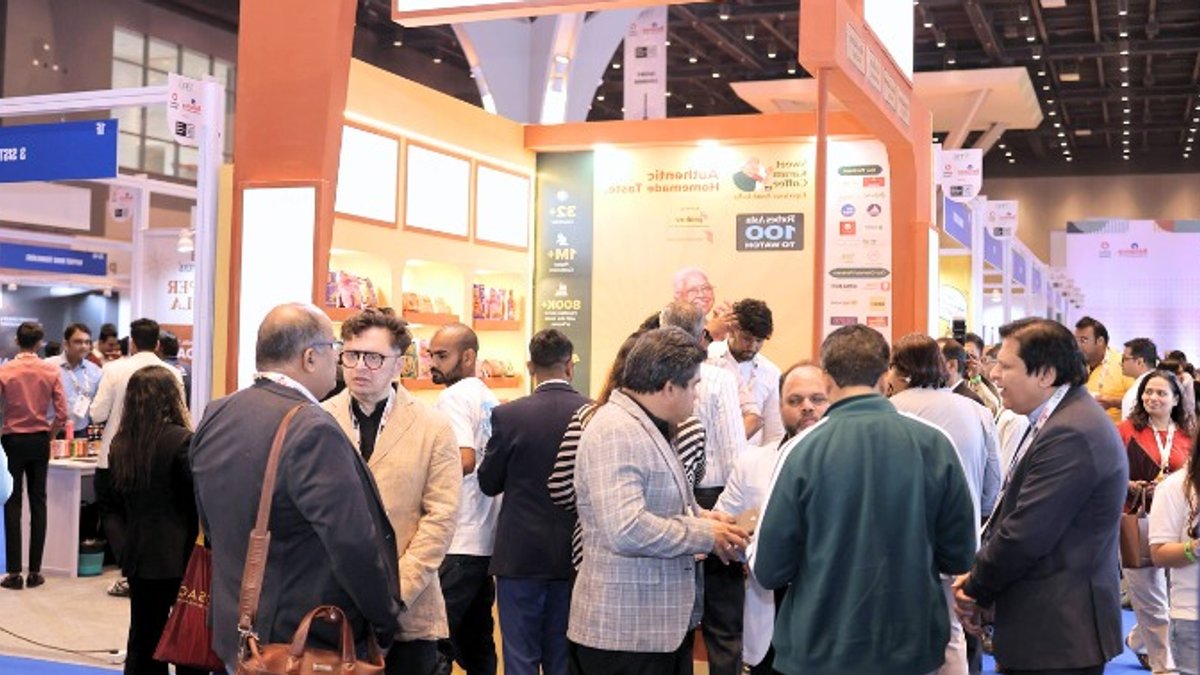
The Indian retail market is projected to reach US $2 trillion by 2030, a massive scale that the 20th Retail Leadership Summit in Mumbai made clear depends on rapid technological adoption. Held at the Jio World Convention Centre, the event emphasized building data-led businesses capable of responding faster to market shifts.
Smart Stores and Automated Workflows
Happiest Minds Technologies demonstrated how Gen AI and IoT can digitize physical stores to reduce friction. These tools enable real-time shelf monitoring, customer heatmaps, and frictionless checkout. The company highlighted predictive algorithms that adjust pricing instantly based on demand signals and competitor activity.
RFID technology is also reshaping inventory management. Avery Dennison showcased how embedding item-level tags into garments enables real-time tracking, reducing supply chain opacity.
Related: Kensington Charms: Elegance and Grace in London’s Engagement Rings
Connecting Systems and Managing Expansion
Supporting this hardware layer, TVS Electronics presented its POS hardware and scanners. Lipi demonstrated mobile barcode printers and self-checkout kiosks, showing how automation is extending to smaller formats. Sangam CRM helps manage the full expansion lifecycle for retailers, centralising location scouting and enforcing opening checklists.
The platform integrates with Microsoft Teams and WhatsApp chatbots to align corporate and field teams. It also runs a unified helpdesk and maintenance scheduling system. base. presented its role as an end-to-end multichannel management platform that helps sellers coordinate and scale their online operations. It acts as a central hub connecting various sales channels to Amazon’s fulfilment network. Through Amazon MultiChannel Fulfilment, retailers can pick, pack, and ship orders from Amazon warehouses even when sales come from other channels such as Shopify, marketplaces, or brand owned websites. This allows brands to work from a single inventory pool across channels, reduce warehousing needs, offer Prime-like delivery speeds, improve inventory turnover, and cut dead stock. The system also supports custom workflows and automates tasks such as invoicing, labelling, tracking, and order updates through a zero-code setup that can be implemented quickly.
Scaling Support and Meeting Compliance
Customer engagement was another key theme, partic