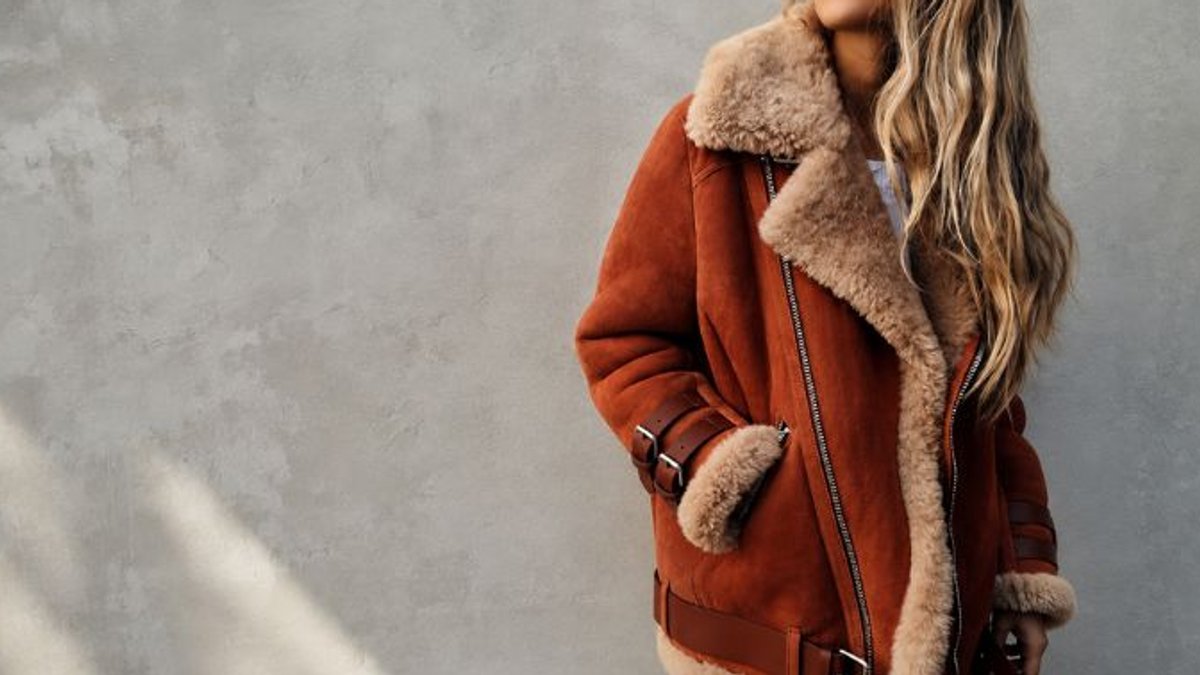
Soft suede is becoming a defining texture for early fall 2026, with global and Indian fashion brands integrating the material into transitional-season collections using warm neutral and earthy tones. Zara has introduced suede pieces as part of its fall offering, signalling wider industry uptake of the texture ahead of the season. Rather than full suede garments, the current trend favours the material in smaller doses — collars, panels, trims and accessories — paired with structured silhouettes in shades of chocolate brown, camel, olive and rust. RLS 2026 shows tech transforming Indian retail, yet the tactile appeal of natural fabrics remains a strong counterpoint.
Adapting the Material for Local Markets
Indian brands are adapting the trend within a market where suede has historically been more common in accessories than in apparel. Leather and suede specialist Hidesign has expanded suede across its bag and small-goods lines this season, while accessories label Da Milano has incorporated suede finishes into its fall edit, positioning the texture as an entry point for consumers in warmer climates. On the apparel side, menswear label Bhaane has used suede detailing on jacket collars and pocket trims in its transitional-season pieces, an approach suited to India’s shorter winter window. Designer Ritu Kumar’s recent occasionwear collections have also drawn on suede-like textures in structured jackets and outerwear.
Across both global and Indian markets, suede is being positioned as a texture accent rather than a dominant fabric, allowing brands to adopt the trend without committing significant inventory to a material with limited seasonal use in warmer geographies. Suede’s climate constraints have historically confined it to accessories and occasionwear in the Indian market. The current preference for trims and small-format pieces over full suede garments offers Indian brands a lower-risk way to participate in the trend. For accessories-led brands such as Hidesign and Da Milano, it extends existing capability; for apparel brands, it points to suede’s potential as a premiumisation tool on outerwear and layering pieces rather than a core-fabric commitment.
This cautious integration suggests that the fashion industry is treating the material as a seasonal accessory rather than a staple. By limiting the use of suede to trims and small goods, retailers can test consumer appetite without the financial risk of overstocking full garments that may not sell well in humid environments. The strategy balances the visual appeal of the texture with practical inventory management. This selective application preserves the material’s exclusivity while mitigating the logistical challenges associated with sourcing and storing suede in regions with high humidity or distinct seasonal shifts. Consequently, brands are leveraging suede to raise specific elements of a garment, ensuring that the tactile luxury of the fabric enhances the overall design without overwhelming the silhouette or necessitating heavy investment in climate-controlled storage.

