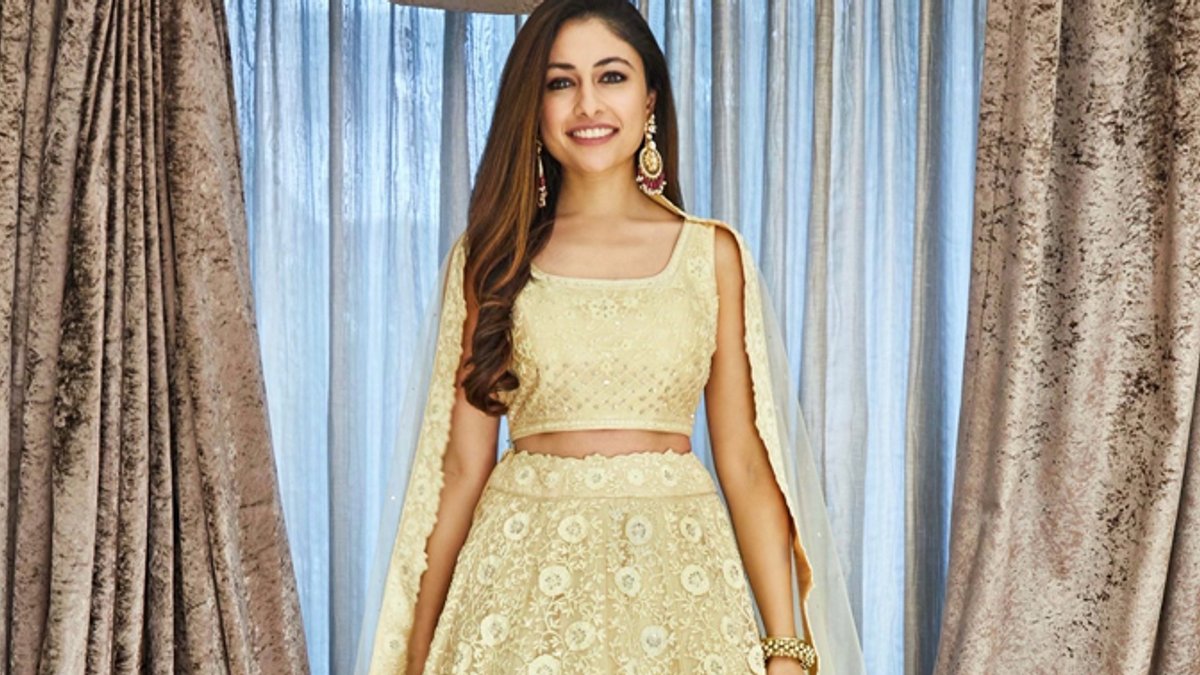
FDCI x Lakmé Fashion Week returned as a fully on‑ground event, marking a significant milestone for Indian fashion. The organizers positioned the showcase as proof that domestic designers can compete with established international fashion capitals while simultaneously offering new material innovations and supply chain solutions. For buyers, the event functioned as an important business hub, bringing together international retailers to secure inventory for the coming season.
Global buyers track specific runway trends
Buyers from Dubai and Mumbai identified several distinct themes emerging from the collections. One of the most prominent trends is the rise of gender‑fluid clothing, which blurred traditional lines between menswear and womenswear. Designers showcased men in gowns and lehengas alongside women in power suits, reflecting a broader shift in how consumers approach personal style.
Another significant development is the evolution of denim. Rather than remaining a casual staple, the fabric appeared in high‑fashion iterations, such as denim lehengas and ruffled tops with ripped jeans. This suggests that casual fabrics are being raised for more formal occasions. Additionally, bold, mismatched prints have moved from niche markets to the mainstream, appearing in collections from designers like Manish Malhotra and Siddhartha Bansal.
Related: Octave Clothing targets tier‑2 tier‑3 markets
Inventory challenges persist despite demand
Live events have returned, yet the industry faces major hurdles.
Uncertainty regarding demand remains a primary concern for buyers and designers alike. Many brands had to scale down production during periods of low demand, only to scramble to fulfill orders during sudden surges, such as those seen before Diwali. The cycle of demand fluctuation, exacerbated by health restrictions, has made inventory management exceptionally difficult for retailers.
Consequently, the “made‑to‑order” model is facing resistance from a consumer base that demands immediate availability. Buyers report that customers no longer wish to wait for garments to be created, necessitating a shift toward a more stocked retail environment. This rapid pace of consumption requires businesses to maintain a diverse inventory of new designers at varying price points to ensure they can meet instant gratification needs.
Related: Burnt Butterscotch Dominates Autumn 2026
Building a digital‑first strategy
The pandemic accelerated the adoption of digital tools across the fashion retail sector. For many buyers, online channels now contribute a substantial portion of revenue.
Aza Fashions, for example, noted that its online business grew by 100 percent over the past year, allowing the retailer to offset losses from physical store closures. This shift has forced retailers to adopt data‑driven approaches to understand consumer patterns and project sales growth accurately.
Technology is no longer just an add‑on but a backbone for business survival. Retailers are investing in machine learning to personalize shopping experiences and augmented reality for virtual try‑ons. As one buyer observed, businesses that fail to adapt to these digital tools risk obsolescence in a market that has fundamentally changed its relationship with fashion.
